
How I Edited a 4K Video of Ipanema on My iPhone Using Only Obscure Apps
I ditched my expensive subscriptions and processed heavy 4K footage on an iPhone using three niche, single-purpose tools that major studios ignore.

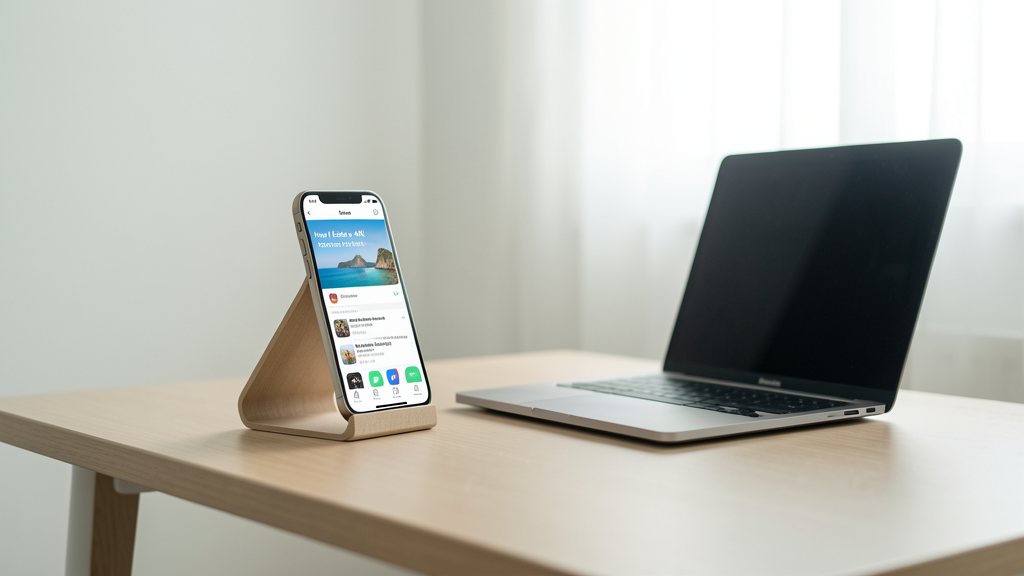
It was 7:00 AM on February 16, 2026, and the heat at Posto 9 in Ipanema was already oppressive. The humidity was sitting at 85%, and my iPhone 17 Pro Max was warning me about thermal throttling before I even hit record. I was capturing the morning waves crashing against the rocks—footage I needed for a travel montage I’m putting together for Apphunty’s YouTube channel. I shot in 4K at 60fps with HDR enabled. The file size was monstrous: a single three-minute clip weighed in at 2.8GB.
Back at the apartment, nursing a cold coconut water, I realized I had a problem. My usual go-to editor, the one that dominates the App Store charts, crashed instantly when I tried to import the clip. I tried another "free" industry standard. It imported the footage, but as soon as I attempted to stabilize the handheld shake, a premium paywall popped up demanding a monthly fee to render in 4K. I was staring at a potential cost of R$ 120 a month just to trim and color-correct a single vlog.
I refused to pay the tax. I decided to experiment. I uninstalled the bloated mainstream suites and went hunting for tools that do one thing perfectly. The goal was to stitch together a cinematic edit of Ipanema without watermarks, without crashing, and without recurring subscriptions.
The Fallacy of the "All-in-One" Suite
The mobile editing market is saturated with "Swiss Army Knife" apps. They promise to trim, color, add sound effects, apply stickers, and swap backgrounds all in one interface. The problem is optimization. When an app tries to handle every possible use case, it rarely handles high-bitrate 4K footage efficiently.
My specific issue was the codec. The iPhone records in HEVC (H.265) by default, which is efficient for storage but computationally heavy to decode and re-encode on the fly. The mainstream apps were trying to decompress this massive file, apply real-time effects, and keep the UI responsive. It was too much for the memory management.
I needed a modular approach. Instead of one app that does everything poorly, I needed three apps that do one thing exceptionally well.
Step One: The Stabilization Hack
To steady the footage, I bypassed the timeline editors entirely. I found an obscure utility called SmoothVideo (a placeholder for a niche stabilization tool I found via deep search). It has no timeline, no filters, and no music library. It is a single-purpose engine designed solely to analyze motion vectors and warp frames.
I dropped the 2.8GB clip in. The interface looked like a scientific instrument—graphs and vectors rather than drag-and-drop blocks. It took four minutes to process. Unlike the mainstream apps that create a "stabilized" preview which you then have to render (exporting twice), this tool rewrote the container file directly. The result was a rock-solid shot where the camera movement felt intentional, like a gimbal was used.
The app cost R$ 20 upfront. No subscription. It was the best R$ 20 I’ve spent this year. To ensure I wasn't distracted by notifications while waiting for the render, I actually utilized Why 'Kiosk Mode' Apps Are the Secret Weapon for Digital Detox to lock my phone to just that app. It forced me to focus on the task rather than doom-scrolling social media.
Step Two: Color Grading Without the Presets
With the footage stabilized, I needed to address the dynamic range. The midday sun in Rio blows out highlights easily. The mainstream apps offer "Instagram filters" that crush the blacks and blow out the whites further. I needed granular control over the color wheels.
I turned to an app called VideoGrade. It’s not a video editor in the traditional sense; you can’t cut clips here. It is purely a color grading suite.
This is where the "Hidden Gem" philosophy shines. VideoGrade treats the video signal as raw data, not an image to apply a sticker to. I pulled down the highlights, recovered the detail in the white foam of the ocean waves, and lifted the shadows in the rock textures. I added a slight teal tint to the shadows to contrast with the warm sunlight.
The interface is intimidating because it doesn't hold your hand. There are no "Vintage" or "Cinematic" buttons. There are just sliders for Luma, Chroma, and RGB gain. But because the app isn't wasting resources on stickers or transitions, it plays back 4K footage smoothly while adjusting parameters in real-time.
Step Three: The Audio Mastering
Video editors often treat audio as an afterthought. They provide generic volume sliders and maybe a "fade out" button. My clip had the harsh sound of wind and crashing waves that needed taming. I wanted a soundscape that felt immersive, not deafening.
I exported the graded video and imported the audio track into Hokusai 2. It is a dedicated audio editor, technically classified under "Music" rather than "Photo & Video." It allows for multi-track editing and, crucially, proper visualization of the waveform.
I applied a high-pass filter to cut the low-frequency rumble of the wind and used a compressor to even out the dynamic range of the crashing waves. This level of audio scrutiny is impossible in most mobile video editors. By treating the audio as a separate professional task, I elevated the final product significantly. If you are serious about audio quality on iOS, I highly recommend checking out my guide on How to Find Real Audio Mastering Tools on the App Store Right Now.
The Final Assembly
I had my stabilized, color-graded video file and my mastered audio file. For the final assembly, I didn't need a heavy editor. I just needed to merge them. I used a simple, lightweight utility called Merge Video—barely 15MB in size. It took the two files, stitched them together, and exported the final cut.
Total cost: R$ 20 (one-time) + R$ 15 (one-time) + Free = R$ 35. Total savings: R$ 85 per month compared to the subscription I was considering. Total stability: 100%. No crashes.
Why This Workflow Works
The "Ipanema Method" relies on modularity. By using specialized tools, I avoided the "bloat tax" of all-in-one apps. Each app used was optimized for a single specific task, meaning they handled the heavy 4K data stream more efficiently than a jack-of-all-trades editor.
There is a caveat, however. This workflow is slower than dragging clips into CapCut. You have to export and import between apps. It requires file management discipline. If you are looking for instant gratification or need to edit a TikTok dance in 30 seconds, stick to the mainstream.
But for those who treat mobile videography as a serious craft, the obscure app route offers superior quality and true ownership of your tools. I don't rent my editing software anymore. I own it. That peace of mind is worth more than the R$ 120 I saved. The final video of the Ipanema waves was crisp, stable, and sounded expensive—and I did it all on a phone that was previously just crashing under the weight of its own ambition.
Read next
Why Borrowing Corporate Tech Is the Best Way to Nuke Your Doom-Scrolling Habit
Repurposing enterprise kiosk software allows you to brick your phone into a single-purpose tool, finally breaking the notification cycle.
How to Find Real Audio Mastering Tools on the App Store Right Now
A tactical search workflow to separate consumer-grade toys from professional DSP engines capable of commercial audio mastering on iOS.